| |
|
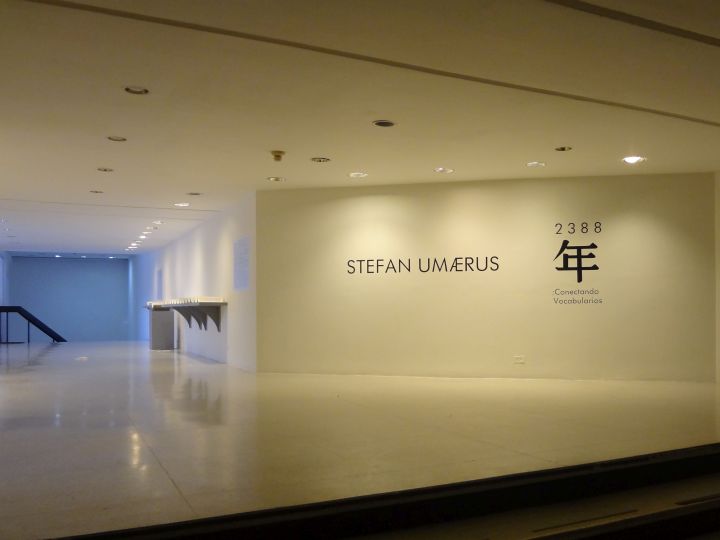
2388:
Connecting Vocabularies
"2388:
Connecting Vocabularies",
an art project about Beijing, China in the time just before the
Tiananmen Square massacre on June 4, 1989, is based on Stefan Umærus'
personal experience as a
language student in Beijing 1988/89.
First
shown at the New York Academy of Sciences in 1992, "2388: Connecting
Vocabularies" was presented by New Tang Dynasty Television, NTDTV,
in Focus Talk, a 30 min program, 2006.
The
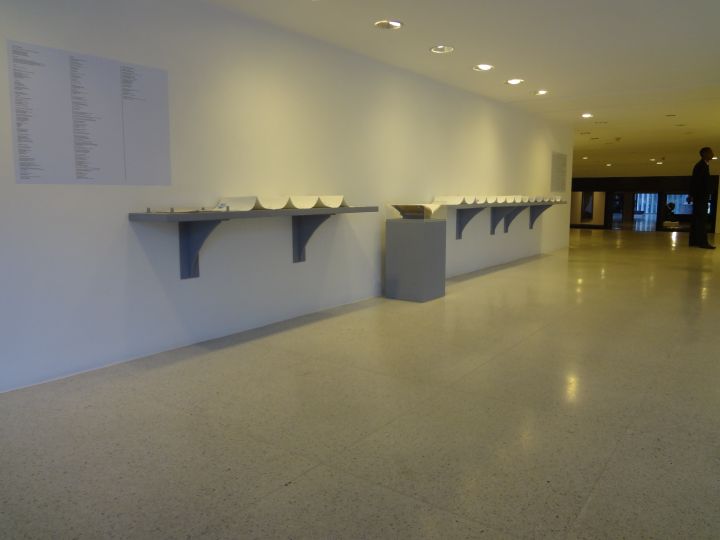
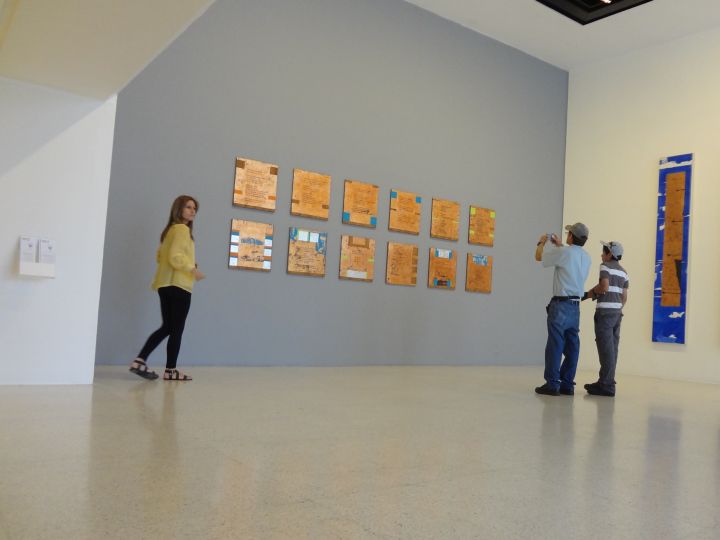
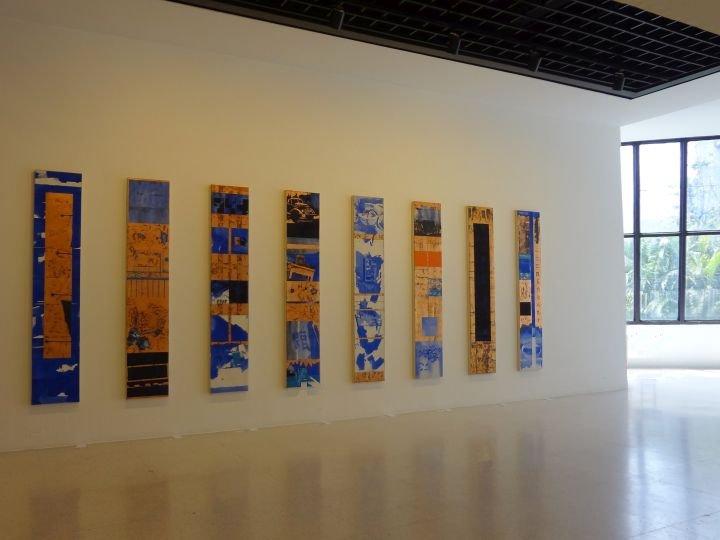
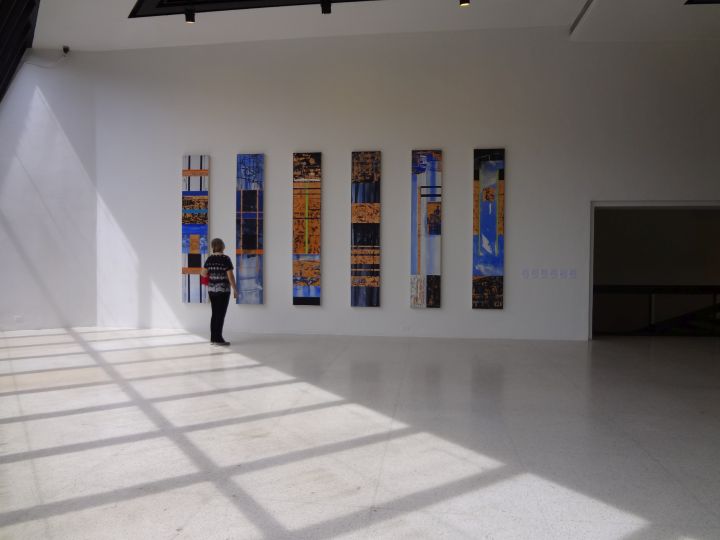
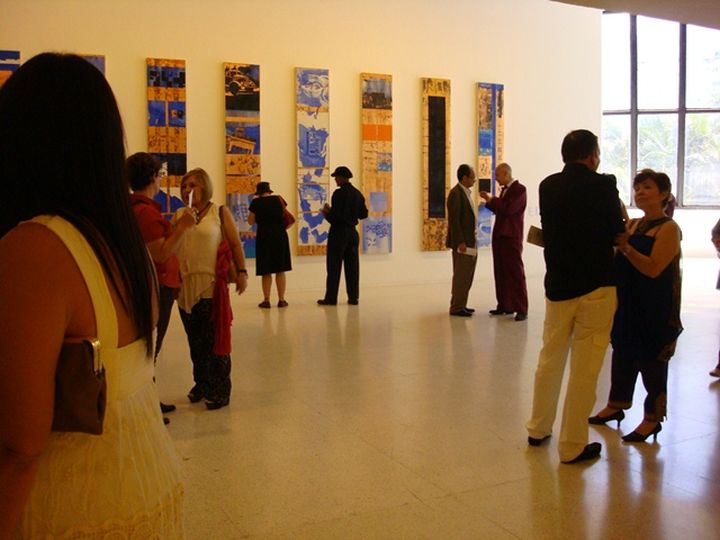
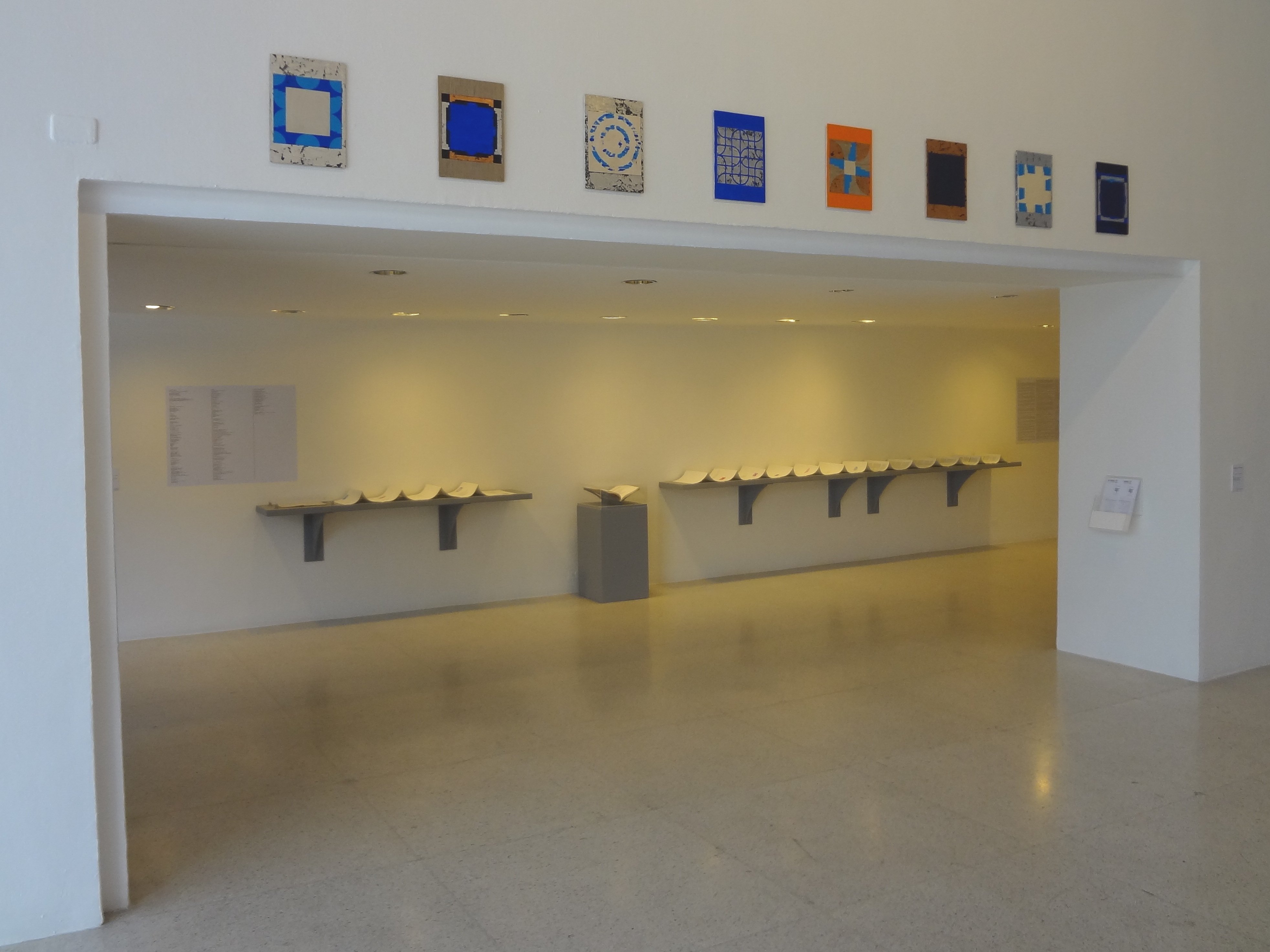
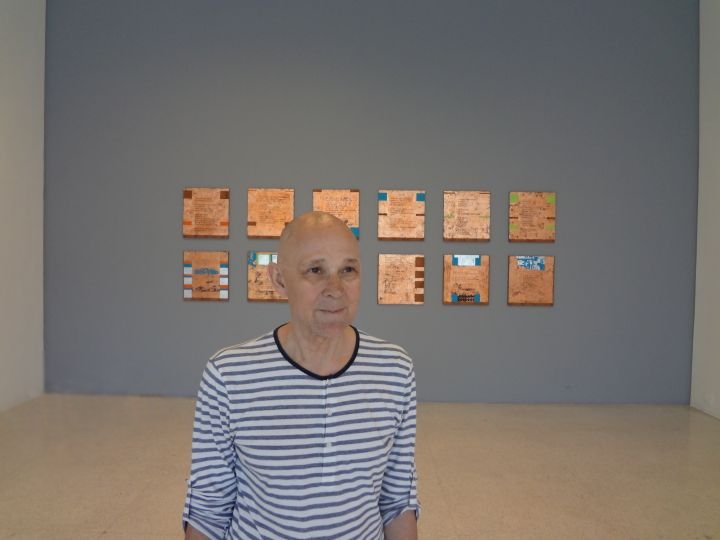
museum scale art project consists of fourteen paintings - Seven Arts
and Seven Virtues - each measuring 106" by 20", twelve poetry
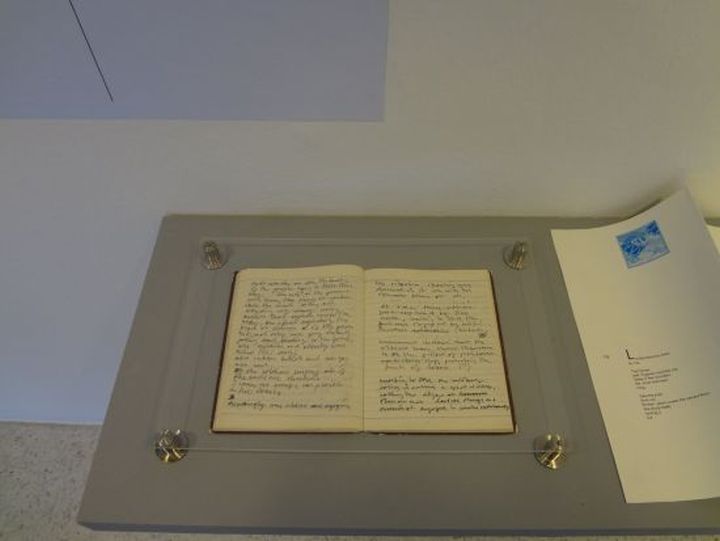
panels, each 22"x20", an Artist's Book - Stefan Umærus'
diary and poetry from Beijing, 1989 - 14"x 8", and a video-loop.
"2388:
Connecting Vocabularies" recreates the seventeenth century French
court painting series
"Seven Arts and Seven Virtues" by Sebastien Bourdon,
in a post-modern format.
"2388:
Connecting Vocabularies" is an art project by Chely Depablos
and Stefan Umærus.
|
|
|
| |
Essay
by Stefan Umærus, 1987. Published in "Foreign Literatures",
P.R of China, 1989.
2388
Through
a small insignificant door in a high garden wall, a path leads to the
castle Fontainebleau, behind the wall a forest expands, divided by straight
pathways. It is called "Le Labyrinthe".
The construction
of Fontainebleau began in the sixteenth century.
To open
the door in the wall; the presence of the forest and the castle.
Is the visitor
who opens the door to the labyrinth of nature, on his way from the empire
of signs, a door towards cosmos, or a duplicate, bound for the empire
of signs.
Is space
a duplicate of consciousness, or is consciousness a duplicate of space.
Progressing
in time, like Chinese boxes, from times archaic to times electronic, epochs
lie, illuminated by pictures, set in forms, wound around by mind structures,
given direction by geography, commissioners and power structures.
It is sufficient
to regard a demographic curve, or the power of electronics, to create
simultaneousness between places, thoughts, and poetry in the XXth century.
Never has memory been manifest in the minds of such numbers, or exchanges
so rapid. An electronic Alexandrian situation, set in patterns of the
gamin.
From rue
Republique, the door to the labyrinth opens. Dogs run fast in the forest,
trees multiplicate in the area of sight.
Is a work
of art a replica of rue Republique, or does it exist on the border between
the presence of the Labyrinth and the Castle, an edge of nature, given
form with the precision of inter continental missiles, and thus, where
should these be placed, created by a brain that is nature. The Castle
and the Labyrinth are given, existing on different points of definition,
thus a new work of art exists in the time of the Castle, but defines a
point that is new. If alienation is omnipresent, the paradigms of modernism
leaden, remains to recreate a picture gallery, a parallel to a seventeenth
century salon.
Enigma
of rue Republique.
From rue Republique, the forest opens, like a perspective line towards
the fountain of the castle, a straight channel lies, a mirror of water,
like an edge cut in the forest. Parallel to the water, a damp wall. It
is hot and humid. by the side of the channel a man sits, idly angling.
Dogs bark
in the Labyrinth. The man by the side of the water is disturbing; is he
a peaceful angler, or a secretly escaped felon, a murderer from the Pere
Lachaise Cemetery?
Is the existence of the channel in the mind of the angler and the visitor
equivalent.
If a painting,
dated as early modernism is a disruption of central perspective, genre
- and illusionist painting, leaving it to the spectator to recreate reality:
exchange the objects of cubism, the china and the daily papers with LE
MONDE, LA FORET, LE LABYRINTHE, LE CHATEAU.
The chase
through the labyrinth ends in the castle, The empire followed the revolution.
Napoleon abdicated here 1814.
The trees
of the labyrinth and the relics of Fontainebleau speak from different
places in time and space: If "Galerie de cerfs" exists in the
castle; deer in the labyrinth. If Le Monde will continue to rotate like
a shimmering gem in space the 400 years to follow, new forms will occur,
new pictures be illuminated. In parallel the paradigms of economy and
politics will change.
A work of
art created for a spectator in the year 2388 must anticipate that language
and thought is removed from present patterns of association with a distance
similar to those 1988 compared to 1688. Displayed will be an execution,
the meaning obscure, like reading the Cyrillic alphabet without equivalent
knowledge of the language. Will distortions rule, leaving none or few
forms of beauty, or will works of art be arrows aimed at the future, in
the rift of the present?
Stefan Umaerus, 1988
Left:
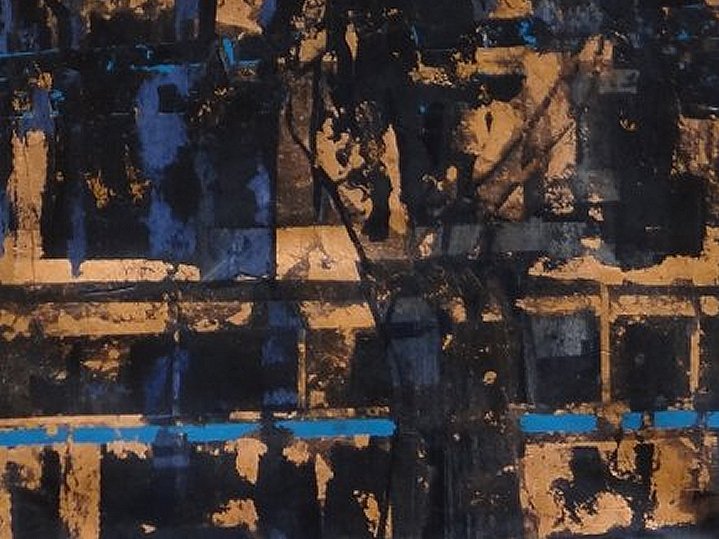
Stefan Umærus, La Magnificence, 1991, oil, acrylic, gouache, copperleaf
on canvas, 107 x 20 inches
The essay written after
the exhibition "Epsilon Lyrae" at Centre Culturel Suedois,
Paris, France, 1987. Translated to English. Translated to Mandarin 1989.
Translated to Spanish 1990.
Excerpt published in exhibition catalogue for "Transito", Galeria
Astrid Paredes, Caracas, Venezuela, 1990.
|
|